Homemade Butter (Video)
Homemade Butter: This tasty experiment not only provides a tasty treat, but a valuable look at chemistry and changing states of matter as well.

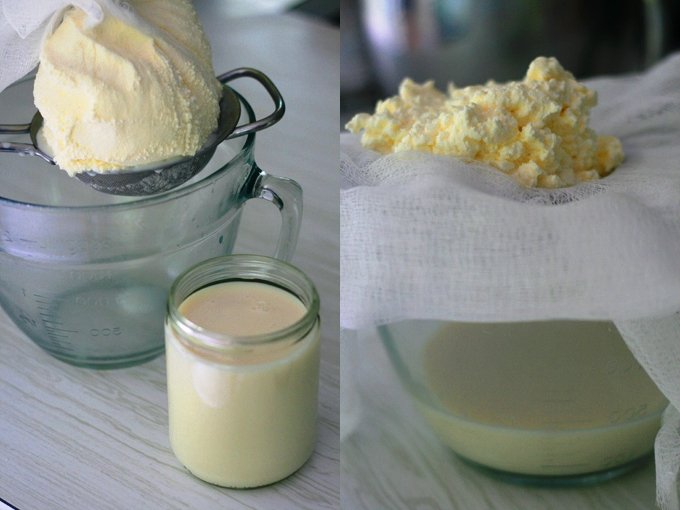
Homemade Butter: This tasty experiment not only provides a tasty treat, but a valuable look at chemistry and changing states of matter as well.
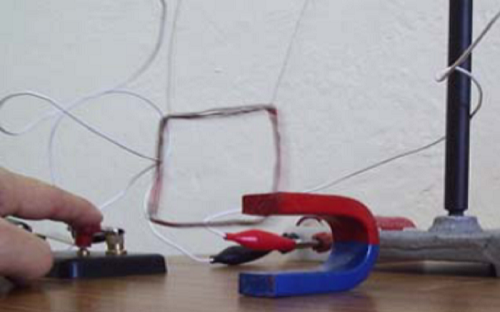
Fleming’s Left Hand Rule Experiment, Electric current and magnets. Level Elementary. Concept When two magnets are close together, magnetic forces are at work. Two magnets repel or attract each other. A wire carrying an electric current and a magnet also repel or attract, because electric current makes a magnetic field. Materials solder wire enameled wire…

How to Make an Electromagnet (Urdu English) How do I make an electromagnet? It is fairly easy to build an electromagnet. All you need to do is wrap some insulated copper wire around an iron core. If you attach a battery to the wire, an electric current will begin to flow and the iron…

How to make Magic Water-Proof Sand (Magic Sand) In this science experiment you will learn how to make water proof sand (magic sand). Normally when water is added to sand the outcome is predictable. The water soaks in and the sand becomes wet and sinks. This is not the case with water proof sand! Water…
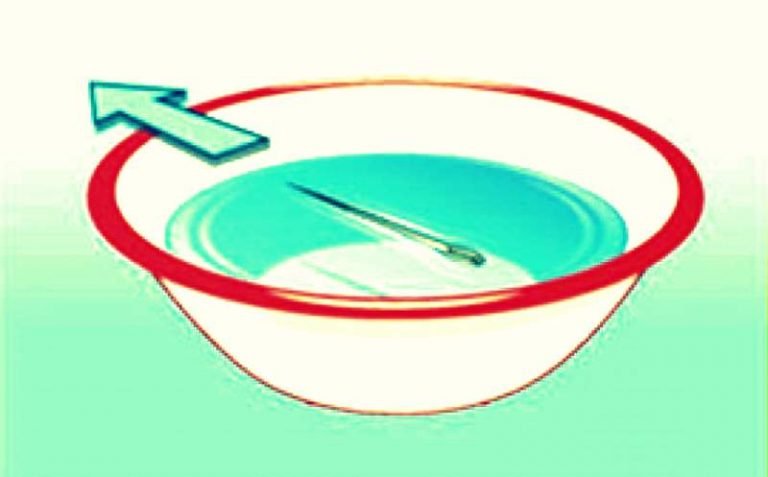
How to make compass : The floating needle will behave like a compass, with one end always pointing to magnetic north. A story is told that this is the same type of compass used by Christopher Columbus. Since the metal needle of the time were poor, Columbus had a lodestone to remagnetize his floating needle….
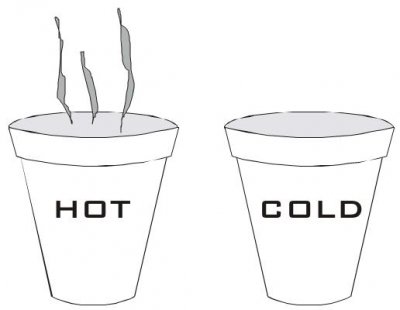
Hot Ice science fair projects Grade Levels: K-3 Question: Which will become ice faster, hot or cold water? Possible Hypotheses: Cold water will freeze faster/slower than hot water. Materials: Two Styrofoam cups Hot tap water Cold tap water Procedure: Procedure: 1. Fill one cup with very cold water. Fill the other with the same amount…
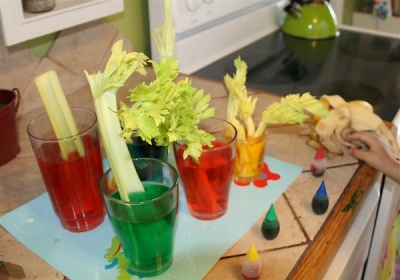
100 Best Food science experiments and projects for kids Science is awesome. Food is awesome. Blending the two together rocks faces off. Teachers and parents looking for some projects to introduce their students to the basic principles of chemistry, physics, biology and more can easily turn to the kitchen for inspiration. The following experiments vary…